
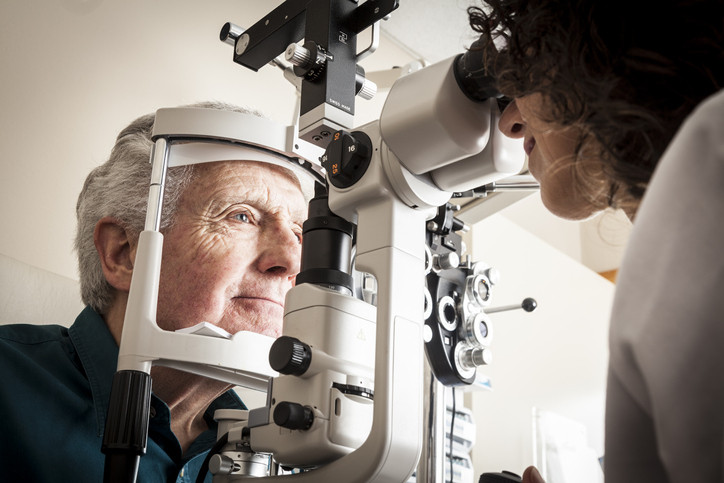
Vision changes often arrive gradually, affecting everyday clarity and comfort. Careful monitoring helps individuals recognize subtle visual shifts early. Access to Private age related macular degeneration treatment clinic in UK improves personalized care availability. Tailored strategies strengthen disease control while supporting stable sight preservation.
Personalized Care Approaches Supporting Vision Stability
Personalized treatment plans strengthen long term macular condition control. Each evaluation studies visual changes alongside individual health history. Specialists recommend therapies matching lifestyle habits and progression patterns.
- Detailed retinal imaging guiding targeted treatment decisions
- Regular monitoring supporting early visual change detection
- Lifestyle guidance complementing clinical treatment strategies
- Medication plans adjusted according to retinal responses
Such personalized care maintains patient confidence throughout treatment journeys. Gradual adjustments improve visual stability while limiting unnecessary interventions. Continuous monitoring strengthens proactive disease management over extended periods.
How Do Personalized Macular Treatments Improve Daily Vision?
Individuals often wonder whether tailored care improves everyday visual comfort. Personalized treatment reduces unnecessary procedures while focusing on actual retinal needs. Specialists analyze retinal scans before adjusting medication plans carefully.
What changes might patients notice first? Gradual clarity improvement often appears during reading, driving, or screen use. Consistent monitoring helps specialists respond quickly if visual shifts occur.
Diagnostic Evaluation Supporting Targeted Treatment Planning
Accurate diagnosis strengthens confidence in treatment planning decisions. Comprehensive examinations identify subtle retinal damage often missed earlier. Advanced scanning tools help clinicians understand disease progression clearly.
- High resolution retinal scans identifying microscopic changes
- Contrast sensitivity testing evaluating functional visual ability
- Fluid detection scans guiding injection treatment timing
- Peripheral retina evaluation assessing wider ocular health
Diagnostic clarity allows clinicians to recommend suitable therapies confidently. Treatment schedules then reflect individual retinal condition severity levels. Clear evaluation also reassures patients about ongoing treatment direction.
What Happens During A Macular Treatment Consultation?
A consultation begins with discussion about recent visual experiences. Doctors review symptoms including blurred letters or distorted shapes. Detailed retinal scans help confirm the current disease stage.
What questions should patients ask during consultation? Individuals often discuss treatment frequency, medication options, and recovery expectations. Open conversation helps patients understand treatment pathways clearly.
Treatment Pathways Supporting Long Term Vision Protection
Managing macular disease requires structured medical supervision over time. Specialists design therapy schedules tailored to retinal response patterns. Clinics including Private age related macular degeneration treatment clinic in UK provide focused specialist guidance.
- Anti VEGF injections controlling abnormal retinal blood vessels
- Nutritional guidance supporting retinal cellular health maintenance
- Monitoring intervals adjusted according to response patterns
- Rehabilitation support improving confidence during visual changes
Structured treatment pathways promote stability despite progressive retinal disease. Early intervention slows deterioration while protecting remaining central vision. Careful follow ups ensure therapy remains suitable for patients.
Supporting Confidence Through Consistent Specialist Care
Managing chronic eye conditions requires patience and reassurance. Clear communication strengthens trust between specialists and patients. Consistent follow up visits encourage confidence during long term treatment.
Specialist guidance helps patients understand each treatment decision carefully. Gradual improvements encourage commitment toward scheduled monitoring visits. Reliable care pathways support stability despite ongoing retinal challenges.